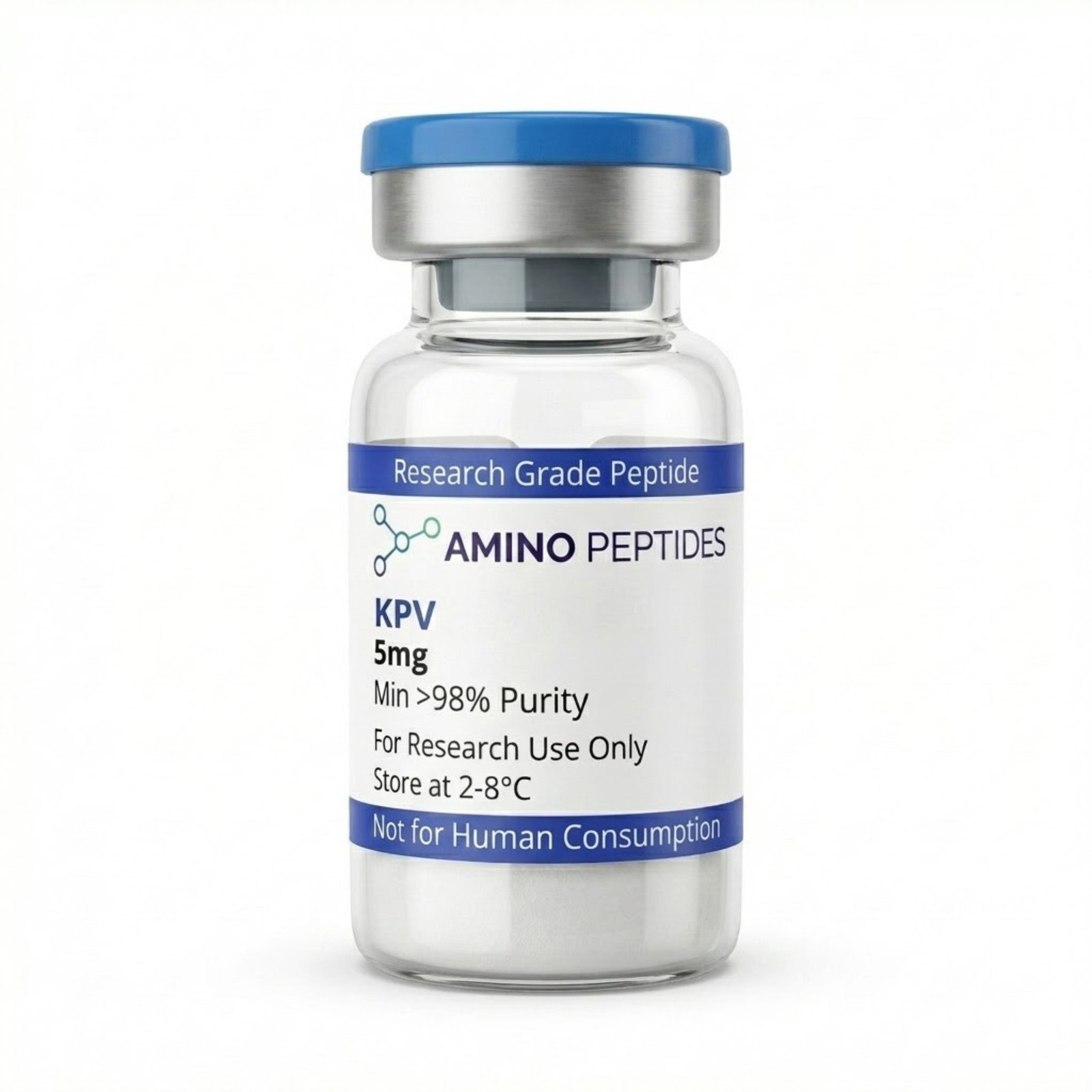
Product OverviewKPV is a synthetic tripeptide corresponding to the C-terminal fragment of alpha-melanocyte-stimulating hormone (α-MSH 11-13). It is extensively utilised in laboratory research to investigate the melanocortin system and its role in modulating cellular signalling pathways. Specifically, researchers employ this compound in in vitro and animal models to examine regulatory mechanisms associated with inflammatory cascades and oxidative stress modulation.This compound is subject to strict analytical protocols to verify its purity and structural fidelity. Each batch is synthesised and evaluated against precise analytical standards, ensuring researchers possess a dependable reagent for cellular assays, receptor-binding studies, and pharmacokinetic evaluations.Technical SpecificationsChemical Name: Alpha-MSH (11-13) / Lysine-Proline-ValineCAS Number: 67727-97-3Sequence: Lys-Pro-ValMolecular Formula: C16H30N4O4Molecular Weight: 342.43 g/molTarget: Melanocortin receptors / PepT1 transporterMechanism: Inflammatory cascade modulation and NF-κB pathway inhibitionHalf-Life: ~15-30 minutesFormat: Lyophilised SolidAppearance: White crystalline powderGrade: Laboratory / Analytical GradePurity: >99% HPLC VerifiedVariant Breakdown5mg Lyophilised Vial10mg Lyophilised VialClosure: Rubber stopper with flip-off aluminium seal.Research Mechanism (Mechanism of Action)Cellular Uptake: KPV enters target cells primarily via the PepT1 transporter, a peptide transporter protein expressed in various epithelial and immune cell lineages observed in animal models.Signalling Modulation: Once intracellular, the tripeptide interacts with upstream signalling molecules to modulate the NF-κB (nuclear factor kappa-light-chain-enhancer of activated B cells) pathway. This mechanism impedes the translocation of NF-κB to the nucleus.Biochemical Cascade Response: The inhibition of nuclear translocation directly alters the transcription of specific genes, resulting in the downregulation of regulatory cytokines and modulating the broader inflammatory cascade within the cellular environment.Safety, Handling & ReconstitutionAccurate reconstitution is mandatory to maintain the structural integrity of the tripeptide. Utilise Bacteriostatic Reconstitution Solution (0.9% Benzyl Alcohol) for optimal dissolution. Store the lyophilised solid desiccated at -20°C, protected from light. Once reconstituted, the solution must be stored between 2°C and 8°C. This material is strictly for Laboratory Research Purposes Only.Scientific References (External Links)Gastroenterology: “PepT1-mediated tripeptide KPV uptake reduces intestinal inflammation” View StudyEndocrine Reviews: “Alpha-melanocyte-stimulating hormone and related tripeptides: biochemistry, antiinflammatory and protective effects in vitro and in vivo, and future perspectives for the treatment of immune-mediated inflammatory diseases” View StudyAdvances in Experimental Medicine and Biology: “Terminal signal: anti-inflammatory effects of α-melanocyte-stimulating hormone related peptides beyond the pharmacophore” View StudyCells: “The Melanocortin System in Inflammatory Bowel Diseases: Insights into Its Mechanisms and Therapeutic Potentials” View Study